Plan around Fort Smith's commercial districts
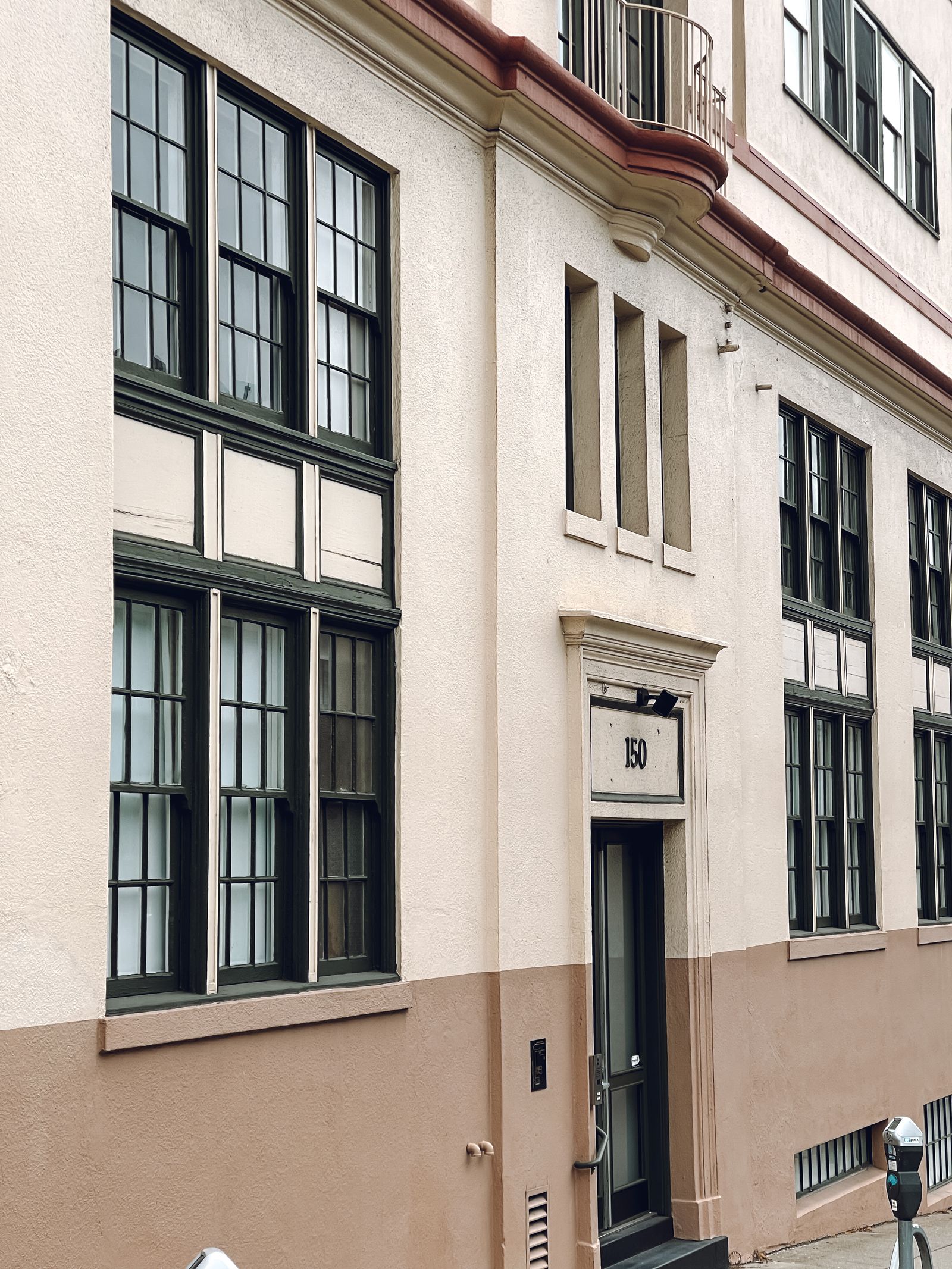
Downtown Fort Smith properties around Garrison Avenue, Rogers Avenue's central business activity, and historic commercial blocks may have narrow staging areas, curb parking, pedestrians, restaurants, tenant doors, and event or delivery traffic. Phoenix Village and other retail settings add storefront glass, shared sidewalks, drive lanes, signs, outdoor seating, customer parking, and opening-time pressure. The cleaning plan should identify which entrances stay open, where hoses can cross, how customers are separated, and whether work is best sequenced by elevation, tenant, or low-traffic window.
Along Rogers Avenue, medical offices, clinics, professional buildings, hotels, and retail sites may need patient drop-off, accessible routes, quiet periods, service access, and protection for outdoor equipment or air intakes. Near the Arkansas River, ports, warehouses, manufacturing, and industrial properties can present broad metal walls, loading docks, trucks, dust, exhaust, fencing, and drainage toward yards or inlets. A useful quote describes the actual work zones rather than treating Fort Smith as one generic property type.
- Separate storefronts, upper walls, canopies, sidewalks, loading zones, and service yards.
- Confirm tenant, patient, visitor, delivery, security, and accessible-route constraints.
- Identify brick, mortar, concrete, glass, metal, stucco, EIFS, coatings, and repaired areas.
- Sequence work by the site's operating rhythm, not only by the fastest equipment setup.
Match soft washing to Arkansas weather and surface conditions
Fort Smith's humid periods and shaded elevations can support recurring organic staining beneath roof edges, around downspouts, beside landscaping, and on north-facing walls. Spring pollen settles on ledges, signs, and entry features. Summer heat can change dwell time, surface temperature, worker exposure, and drying. Rain can move soil down a facade or redirect rinse water through a parking lot. Thunderstorms, lightning, gusts, and storm debris may make a planned work window unsuitable even when a building looked ready the day before.
Soft washing may fit compatible organic film, pollen, mildew-like staining, and atmospheric soil when the solution, dwell time, pressure, rinse, and protection suit the surface. It is not a repair for failed joints, leaking roof edges, oxidation, efflorescence, cracked concrete, damaged coatings, or a blocked drainage path. A pre-work review should distinguish removable soil from conditions that need a roofer, mason, painter, metal specialist, or building-envelope professional. Test an inconspicuous representative area when finish history or cleaning response is uncertain.
- Review shade, roof edges, gutters, downspouts, landscaping, and repeat moisture before washing.
- Set weather pause triggers for heat, wind, rain, lightning, slick surfaces, and drying conditions.
- Separate organic staining from minerals, rust, soot, oxidation, efflorescence, and coating failure.
- Document realistic improvement and exclusions instead of promising a uniform result on every deposit.
Protect occupied sites, drainage, and the public
Before application, map doors, accessible routes, parking aisles, loading areas, vehicles, cameras, electrical equipment, landscaping, outdoor seating, air intakes, and neighboring property. A medical corridor may require patient drop-off to remain clear. A retailer may need a safe customer path and storefront protection before opening. An industrial site may need truck movements, gates, docks, and shift changes coordinated. A responsible field plan names the property contact, barriers, spotters, hose routes, emergency access, and who can stop work when conditions change.
Fort Smith properties may drain toward curb inlets, grassed areas, swales, detention features, parking-lot low points, or river-side industrial yards. A nearby drain is not automatic permission for treated water, sediment, or concentrated residue to enter it. Controls depend on the product, soil, rinse volume, slope, vegetation, drain type, and site requirements; options can include diversion, recovery, filtration, reduced rinse volume, plant protection, disposal, or coordination with the responsible authority. The quote should state assumptions and the response if actual flow differs from the site review.
- Confirm water access, staging, barriers, public separation, and emergency routes before setup.
- Protect plants, glazing, metal, cameras, vents, doors, vehicles, and tenant property.
- Review low points and stormwater paths rather than assuming runoff will stay at the wall.
- Record cleaned zones, remaining deposits, and visible conditions outside routine washing.
Use aerial assistance only when the property supports it
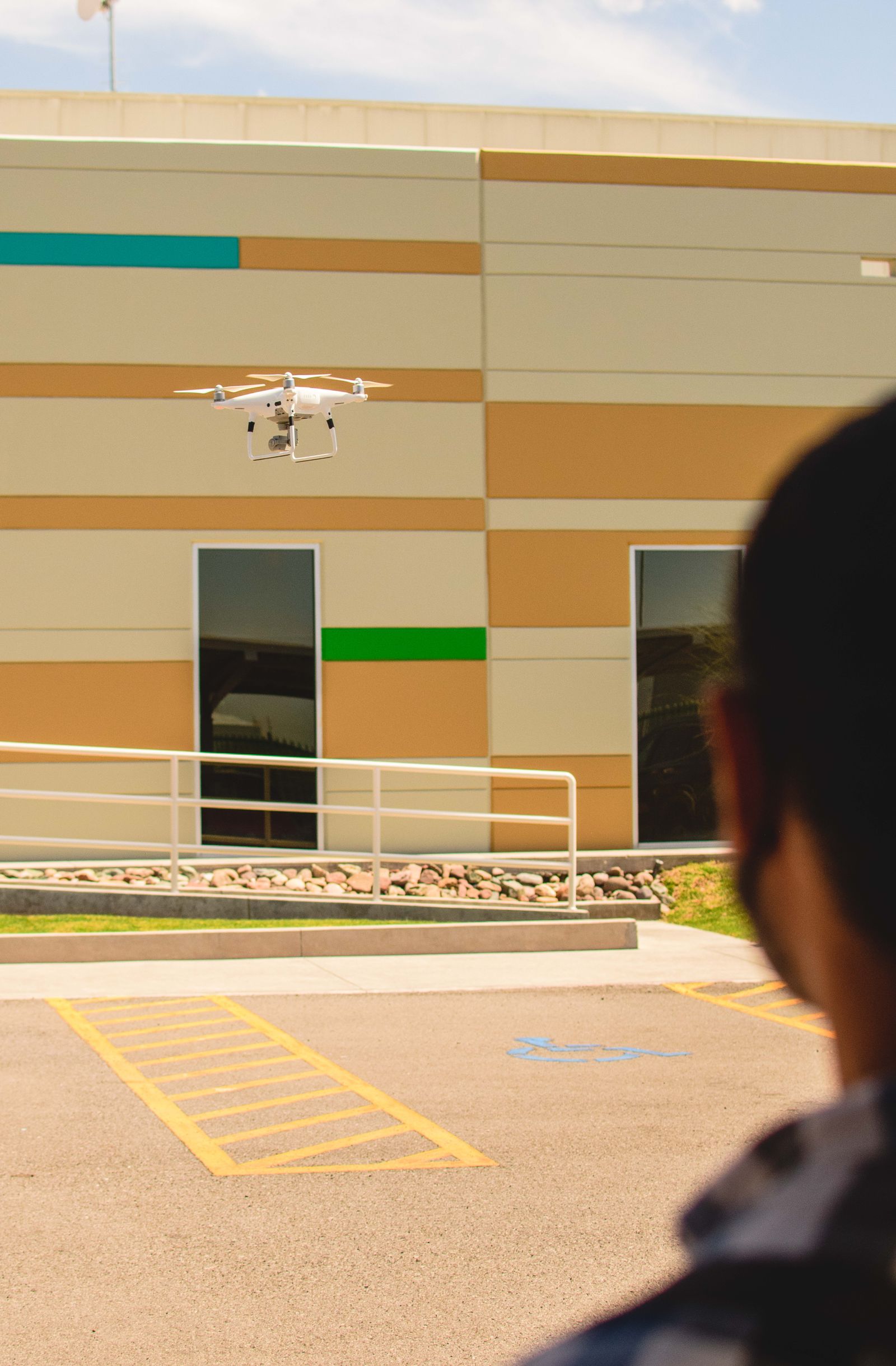
Drone-assisted application or rinsing may be considered for suitable broad upper elevations when there is a safe launch and recovery area, workable wind, visual control, enough stand-off distance, public separation, and a coordinated ground team. It can support selected parapets, ledges, sign bands, or tall walls, but it does not choose chemistry, inspect concealed damage, contact-clean glass, detail recessed trim, or repair a facade. The scope should identify which elevations may use aerial support and which require a pole, lift, hand work, or ground equipment.
Fort Smith sites can include utilities, trees, rooftop units, signs, busy roads, neighboring buildings, security limits, and aviation considerations near Fort Smith Regional Airport. Commercial drone operations remain subject to applicable Federal Aviation Administration requirements. Property permission does not replace airspace, visual-line-of-sight, people, vehicle, or operating requirements. If wind, launch space, security, public separation, airspace, or runoff controls are not adequate, another access method or work window is the responsible choice.
Request a quote tied to your Fort Smith result
Send the address, building use, approximate height, facade materials, photos of representative elevations, target date, operating hours, water access, parking or sidewalk restrictions, and known drainage or tenant concerns. Ask the proposal to identify included elevations, test areas, likely soils, access method, protection, weather triggers, runoff assumptions, exclusions, and what happens if a stain is actually a repair or restoration issue. That information gives an owner or facilities manager a practical basis for approving the work.
Drone Building Cleaners can discuss downtown, Phoenix Village and other retail, Rogers Avenue medical and office, Arkansas River industrial, hospitality, warehouse, and mixed-use properties in Fort Smith. Call +1 239-351-2897 or email contact@dronebuildingcleaners.com to get in touch and request a quote. The first conversation should focus on the building's condition and operating constraints so the scope fits the property you actually manage.